Introduction
Jewellery has always been more than just a decorative accessory. While price, material, and craftsmanship certainly matter, they are rarely the only reasons people choose a particular piece. For many buyers, jewellery carries deep emotional significance—representing love, memories, identity, and personal milestones.
In today’s market, where consumers are increasingly driven by meaning rather than just material value, understanding the emotional side of jewellery is essential. Whether it’s a simple ring or an elaborate necklace, the true worth of jewellery often lies in what it represents, not just what it costs.
Jewellery as a Symbol of Emotions
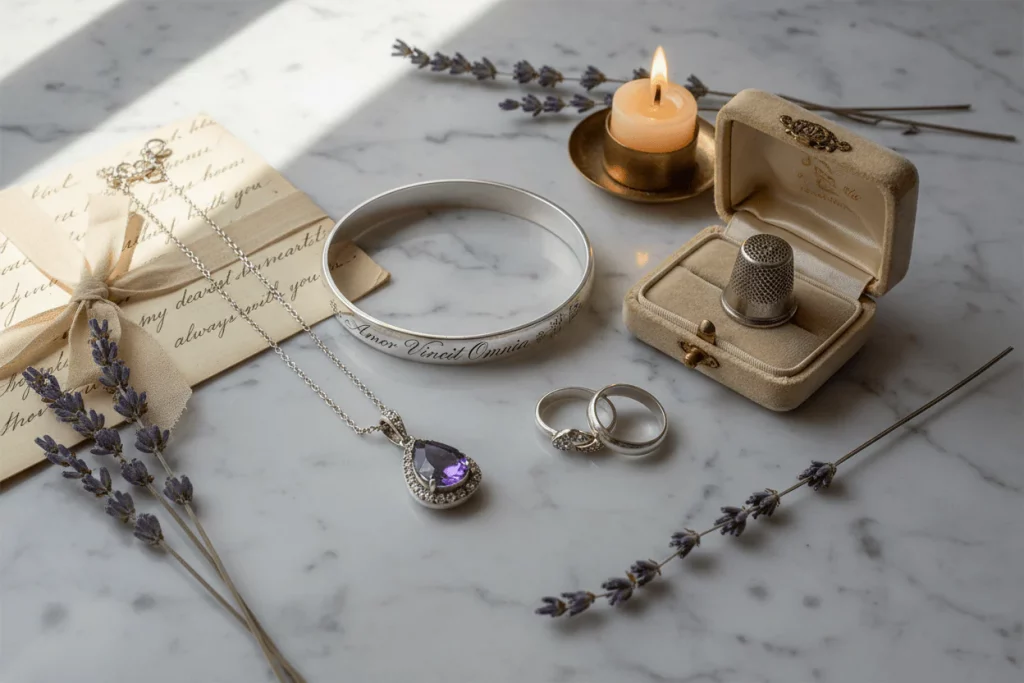
From ancient civilizations to modern times, jewellery has been used to express emotions that words often fail to capture. A ring can symbolize commitment, a pendant can represent protection, and a bracelet can mark friendship or remembrance.
People don’t just buy jewellery—they invest in what it stands for. A gift of jewellery often carries feelings of love, appreciation, or even apology. This emotional connection transforms a physical object into something deeply personal and irreplaceable.
Celebrating Life’s Milestones
One of the biggest reasons people buy jewellery is to celebrate significant life events. Birthdays, weddings, anniversaries, graduations, and achievements are often marked with a meaningful piece.
These moments create a lasting bond between the wearer and the jewellery. Over time, the piece becomes a reminder of that specific milestone, holding memories that grow more valuable with age. Unlike many other purchases, jewellery gains sentimental worth as time passes.
Jewellery as a Heirloom
Jewellery often becomes a part of family history. Pieces passed down through generations carry stories, traditions, and emotional connections that no price tag can define.
An heirloom necklace or ring is not just about gold or gemstones—it represents heritage, continuity, and belonging. Wearing such jewellery creates a connection between the past and present, making it emotionally priceless.
Personal Identity and Self-Expression
In today’s world, jewellery is also a powerful form of self-expression. People choose pieces that reflect their personality, beliefs, and style.
Minimalist jewellery might represent simplicity and elegance, while bold statement pieces can reflect confidence and individuality. Personalized jewellery—such as name necklaces or birthstone rings—adds another layer of identity, allowing individuals to tell their story through what they wear.
The Psychology Behind Jewellery Buying
Emotions play a major role in purchasing decisions, especially in categories like jewellery. Buyers are often influenced by feelings rather than logic.
For example, someone might choose a slightly more expensive ring not because of its material value, but because it “feels right.” This emotional pull is powerful—it creates a sense of attachment even before the purchase is made.
Jewellery brands that understand this psychology often focus on storytelling, highlighting the meaning behind each piece rather than just its features.
Jewellery as a Gift: More Than Just an Object
When jewellery is given as a gift, its emotional value multiplies. It becomes a symbol of the relationship between the giver and the receiver.
A carefully chosen piece shows thought, effort, and understanding. It communicates emotions that might be difficult to express otherwise. This is why jewellery remains one of the most popular and meaningful gift choices across cultures.
Cultural and Traditional Significance
In many cultures, jewellery holds deep traditional importance. It is often associated with rituals, ceremonies, and beliefs.
For example, wedding jewellery in many parts of the world symbolizes commitment, prosperity, and family values. Similarly, certain pieces are worn for protection, luck, or spiritual reasons. These cultural meanings add another layer of emotional depth to jewellery, making it far more than a luxury item.
Emotional Durability vs Physical Durability
While jewellery is known for its physical durability, its emotional durability is even more significant. A piece may lose its shine over time, but its sentimental value often increases.
People rarely discard meaningful jewellery, even if it is no longer in perfect condition. Instead, they repair, preserve, or repurpose it—because what it represents cannot be replaced.
Why People Choose Meaning Over Price
Modern consumers are shifting their priorities. Instead of focusing solely on cost or brand, they are looking for meaning, authenticity, and emotional connection.
A less expensive piece with strong emotional significance can be far more valuable to a person than a high-priced item with no personal meaning. This shift is especially noticeable among younger buyers, who value experiences and stories over material status.
The Role of Personalization in Emotional Value
Customization has become a major trend in the jewellery industry, and for good reason. Personalized pieces create a direct emotional connection.
Engraved messages, initials, special dates, or custom designs turn jewellery into something unique and deeply personal. These pieces cannot be easily replaced, making them even more meaningful to the wearer.
Also Read: Behind the Craft: The Artisans of Nikhar Jewellers
Final Thoughts
Jewellery is not just about gold, diamonds, or craftsmanship—it’s about emotions, memories, and meaning. The emotional value attached to a piece often outweighs its monetary worth, making it truly priceless in the eyes of the owner.
Whether it’s a gift from a loved one, a symbol of a milestone, or a family heirloom, jewellery carries stories that last a lifetime. This is why people continue to buy jewellery not just for how it looks, but for what it represents.
In the end, the true beauty of jewellery lies in its ability to hold emotions—something no price tag can ever fully capture.