
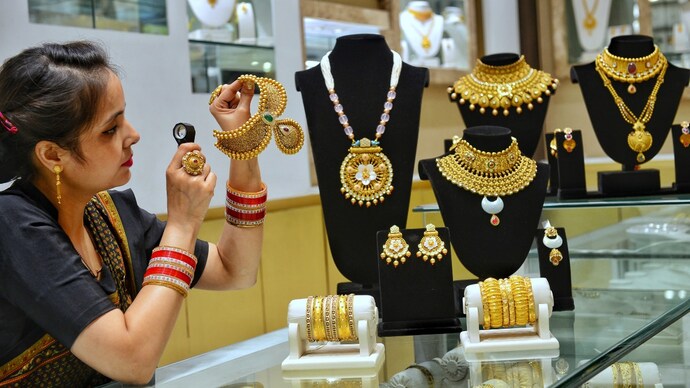
Gold jewellery holds emotional and financial value in Indian households. Whether it’s a wedding necklace, inherited bangles, or outdated designs sitting in your locker, there comes a time when you may consider exchanging old gold jewellery for something new.
But here’s the concern most people have: Will I lose money in the exchange process?
The truth is, many people do lose value because they don’t understand gold purity, deductions, making charges, or exchange policies. This guide will walk you through how to exchange old gold jewellery smartly, protect your investment, and maximize value.
Why People Exchange Old Gold Jewellery
Before diving into the financial side, it’s important to understand why gold exchange is common in India.
Many families exchange gold to:
- Upgrade to modern designs
- Buy bridal jewellery
- Adjust jewellery size or style
- Convert unused ornaments into wearable pieces
- Invest in higher purity gold
Exchanging gold can be a smart move — if done correctly.
Understand Gold Purity Before You Exchange
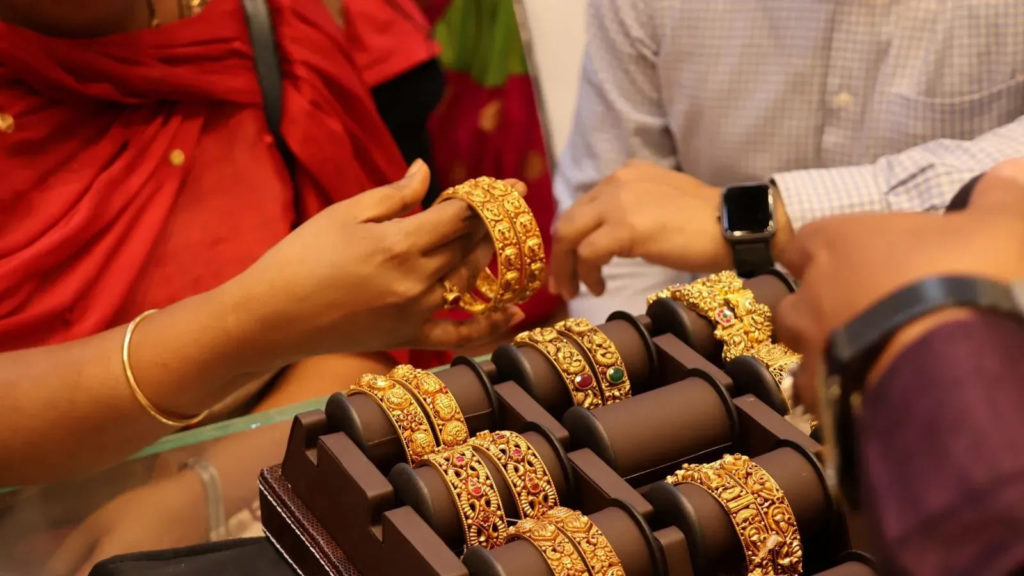
One of the biggest mistakes people make is not checking purity before visiting a jeweller.
Gold jewellery in India is commonly available in:
- 22K (91.6% purity)
- 18K (75% purity)
- 14K (58.5% purity)
Check for BIS Hallmark
Look for the BIS hallmark stamp. Hallmarked jewellery ensures certified purity.
If your jewellery is not hallmarked, the jeweller may test it and deduct melting losses or impurity margins. This can reduce your final exchange value.
Getting your jewellery purity checked beforehand gives you negotiation confidence.
Know the Current Gold Rate
Never exchange gold without checking the day’s gold rate.
Gold prices fluctuate daily based on:
- International market trends
- Rupee-dollar exchange rate
- Domestic demand
Before visiting a jeweller:
- Check the live gold rate online
- Confirm whether the jeweller uses 22K or 24K rate for calculation
- Ask if they calculate based on net weight or gross weight
Transparency here prevents unexpected deductions.
How Jewellers Calculate Exchange Value
Understanding the calculation formula helps you avoid confusion.
Step 1: Weight Measurement
The jeweller weighs your gold item. Stones, beads, or non-gold parts are excluded.
If your jewellery has gemstones, their weight is usually deducted from total weight.
Step 2: Purity Testing
If hallmarked, purity is straightforward. If not, a purity test is conducted.
Step 3: Final Value Formula
Basic calculation looks like:
Net Gold Weight × Purity Percentage × Current Gold Rate
However, some jewellers deduct:
- Melting charges
- Testing charges
- Wastage percentage
Always ask for a clear breakdown.
Compare Exchange Policies Before Deciding
Not all jewellers offer the same exchange value.
Some offer:
- 100% value on old gold (if hallmarked and bought from them)
- 90–95% value for non-branded gold
- Lower value for jewellery bought from other stores
Exchange Within Same Brand vs Different Store
Exchanging gold at the same brand where it was purchased often gives better value.
If you switch stores, they may deduct additional charges.
Always compare 2–3 jewellers before finalizing.
Avoid Emotional Decisions During Exchange
Gold jewellery often carries sentimental value. This emotional attachment can cloud financial judgment.
Before exchanging:
- Confirm you truly want to part with the piece
- Evaluate resale value vs redesign option
- Consider converting into a new design instead of selling
Redesigning old gold jewellery may help you retain full gold value without major deductions.
Ask About Making Charges on New Jewellery
Even if you get a fair exchange value, you can lose money through high making charges on the new piece.
Making charges vary from:
- 5% to 25% depending on design
- Higher for intricate bridal jewellery
- Lower for simple designs
To avoid loss:
- Negotiate making charges
- Ask for festive offers
- Compare design categories
Remember, exchange value matters — but so does what you pay for the new purchase.
Consider Gold Coins vs Jewellery Upgrade
If you want to preserve full gold value, consider converting old jewellery into gold coins instead of new jewellery.
Gold coins typically have:
- Lower making charges
- Higher resale value
- Easier liquidity
This option is ideal if your goal is investment rather than fashion.
Beware of Hidden Deductions
Many customers lose money due to unclear deductions.
Common hidden deductions include:
- Stone removal weight
- Impurity deduction
- Testing fee
- Melting loss
- GST on new purchase
Always request a written invoice with a full breakdown.
Transparency is your strongest protection.
Timing Matters When Exchanging Gold
Gold rates fluctuate. Exchanging during low market rates reduces overall value.
Monitor gold trends before making a decision. If rates are rising, waiting a little may increase your exchange amount.
However, don’t try to perfectly time the market. Focus on fair calculation and transparent policy instead.
Tips to Maximize Value While Exchanging
Here are practical steps to avoid losing money:
- Clean jewellery before weighing
- Remove stones beforehand if possible
- Carry original purchase bill (if available)
- Compare multiple jewellers
- Negotiate making charges
- Ask for written purity test results
- Understand GST implications
Small precautions can make a significant difference in final value.
When Selling May Be Better Than Exchanging
In some cases, selling old gold for cash and then buying new jewellery separately can offer better value.
Why?
Because you can:
- Negotiate selling price separately
- Look for best design deals
- Avoid bundled pricing confusion
However, ensure you sell only to reputable, licensed jewellers.
Emotional and Financial Balance
Gold in India is more than an accessory — it’s security, tradition, and investment.
When exchanging old gold jewellery, aim for a balance between emotional satisfaction and financial wisdom.
Upgrading designs should not mean losing hard-earned value.
Knowledge empowers better negotiation.
Read Also : Why Handmade Jewellery Is Worth More Than Machine-Made
Final Thoughts
Exchanging old gold jewellery without losing money is completely possible — if you understand purity, weight calculation, gold rates, and exchange policies.
Never rush the process. Compare options, ask questions, and demand transparency.
Gold is a valuable asset. With the right knowledge, you can upgrade your jewellery collection while protecting your financial investment.
Smart decisions turn old gold into new opportunities — without unnecessary loss.